
Why Do I Wake Up With Headaches? The Jaw Connection Most People Miss
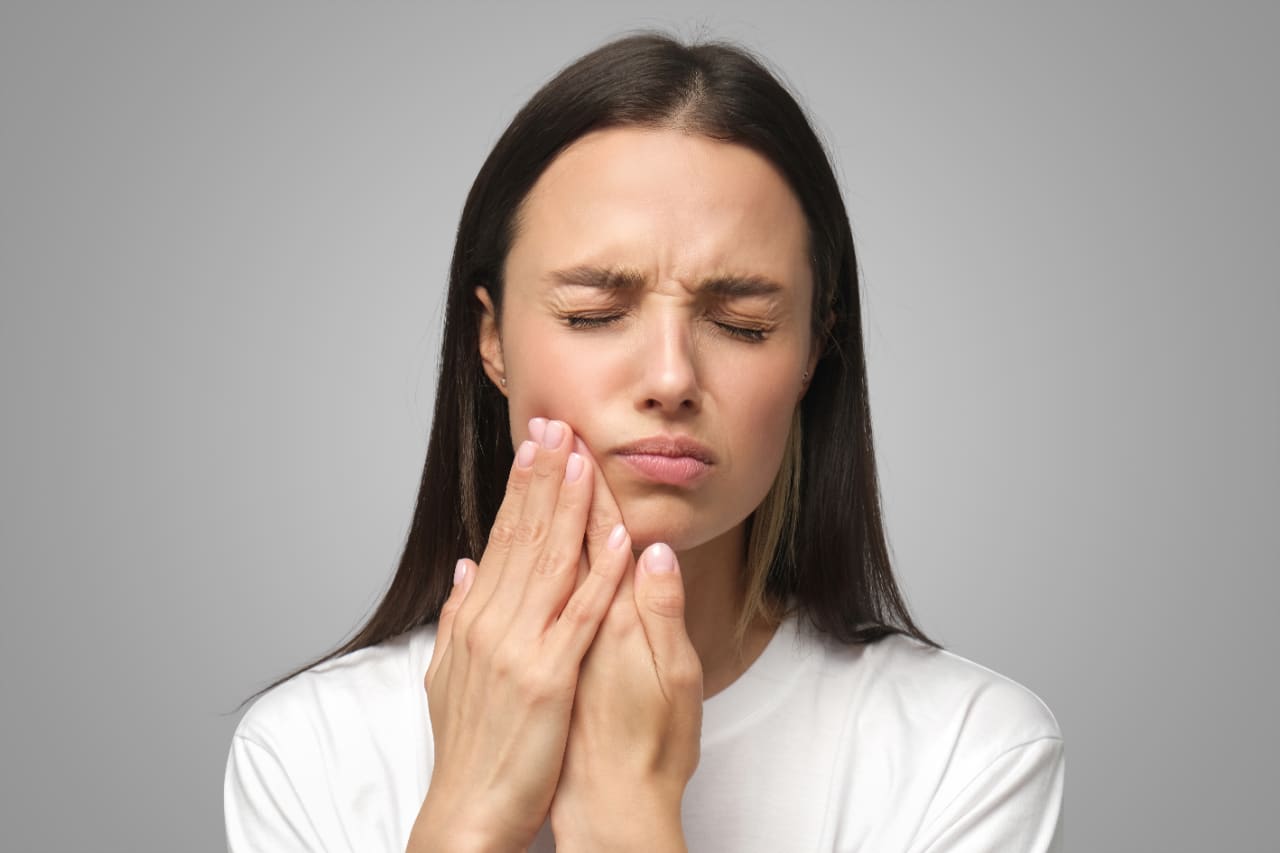
If you regularly wake up with a headache, the cause may not be in your head at all — it may be in your jaw. Nighttime teeth clenching and grinding (a condition called bruxism) is one of the most common and most overlooked causes of morning headaches. The overworked jaw muscles refer pain up into the temples, forehead, and around the ears, producing a dull, tight headache that's often at its worst first thing in the morning. The good news: once the jaw is the identified cause, treatment is straightforward and highly effective.
At Hendricks Family Dentistry in Brunswick, OH, Dr. Jamison P. Hendricks, Dr. Tonya Frys, and Dr. Anthony Lyamichev regularly help patients who've spent years treating morning headaches as a sleep problem, a stress problem, or a mystery — when the real culprit was their jaw all along.
Why Morning Headaches Are Different
Headaches that are reliably worse in the morning are a specific clue. Most tension headaches build throughout the day as stress accumulates. But a headache that's already present when you wake up points to something happening during sleep.
The most common sleep-related causes of morning headaches include sleep apnea, teeth grinding and jaw clenching, poor sleep posture, and medication timing. Of these, bruxism is one of the most frequently missed — because it happens silently while you sleep, and most people have no idea they're doing it.
How Jaw Clenching Causes Headaches
Your jaw is powered by the masseter and temporalis muscles — some of the strongest muscles in the body relative to their size. When you clench or grind during sleep, these muscles work intensely for hours at a time, generating forces far beyond what normal chewing requires.
The temporalis muscle fans out across your temple — exactly where tension headaches are often felt. When it's overworked from a night of clenching, the result is a dull, aching, tight headache across the temples and forehead. It's essentially a muscle fatigue headache, the same way your legs ache after an intense workout — except it's your jaw muscles, and the workout happened while you slept.
This is the same underlying process behind many cases of tooth sensitivity and jaw pain. For the fuller picture of how clenching affects your teeth and jaw, see our article on the hidden connection between jaw clenching and tooth sensitivity.
Signs Your Morning Headaches Are Jaw-Related
How do you know whether your headaches are coming from your jaw? Look for these accompanying signs:
- Headaches that are worst first thing in the morning and ease as the day goes on
- A tired, sore, or tight feeling in the jaw when you wake up
- Pain or tenderness in the temples or in front of the ears
- Clicking, popping, or stiffness in the jaw joint
- Teeth that are sensitive, worn, or flattened on the edges
- A partner who has heard you grinding at night
- Increased symptoms during stressful periods
If several of these apply to you, your jaw is a likely suspect — and it's worth an evaluation.
Why It Gets Missed for So Long
Morning headaches are often treated as a standalone problem. People try new pillows, cut back on screen time, adjust their sleep schedule, take pain relievers, or get evaluated for migraines — all without anyone checking the jaw.
Part of the reason is that clenching is invisible. You can't see it happening, you don't remember it, and the connection between your jaw muscles and your head pain isn't obvious. But a dentist trained to look for the signs — worn tooth surfaces, enlarged jaw muscles, tenderness in specific spots — can often identify bruxism quickly during a routine exam.
How Jaw-Related Headaches Are Treated
The encouraging part: once clenching is identified as the cause, treatment is highly effective and relatively simple. The two primary approaches both work by reducing the strain on your jaw muscles.
Custom Nightguards
A custom-fitted nightguard is worn during sleep and cushions the bite, reducing the strain transmitted to your jaw muscles and protecting your teeth from grinding damage. For many patients, a properly fitted nightguard noticeably reduces morning headaches within a few weeks.
Botox for TMJ
For patients with significant muscle tension or headaches that a nightguard alone doesn't fully resolve, Botox for TMJ directly reduces the force the jaw muscles can generate. Because it addresses the muscle tension at its source, it's often especially effective for the headache component. Many patients report that morning headaches they'd lived with for years diminish significantly within two weeks of treatment.
Not sure which approach fits your situation? Our detailed comparison of custom nightguards versus Botox for TMJ walks through the tradeoffs.
What You Can Do Tonight
While the real solution requires identifying and treating the underlying clenching, a few things can help in the meantime:
- Consciously relax your jaw before bed — your teeth should not be touching when your mouth is at rest
- Apply a warm compress to your jaw muscles in the evening
- Reduce caffeine and alcohol, both of which can worsen nighttime grinding
- Manage evening stress with whatever works for you — clenching often tracks with stress levels
- Avoid chewing gum, which keeps already-overworked jaw muscles active
These help, but they don't replace proper treatment. If your morning headaches are frequent, an evaluation is the fastest path to lasting relief.
When to Get Evaluated
Consider scheduling an evaluation if you experience morning headaches several times a week, if they're accompanied by jaw soreness or tenderness, or if you've tried the usual headache remedies without success. A dental evaluation for bruxism is quick, non-invasive, and can finally connect the dots on a problem you may have been chasing for years.
Ready to Find the Real Cause of Your Morning Headaches?
If you wake up with headaches more mornings than not, your jaw deserves a look. Schedule an evaluation at Hendricks Family Dentistry on Center Road by calling (330) 225-1433 today.
- Mon - Tue 7:00 am - 7:00 pm
- Wed 8:00 am - 5:00 pm
- Thu 7:00 am - 7:00 pm
- Fri 8:00 am - 2:00 pm
- Sat - Sun Closed